

The Internal Revenue Service has significantly expanded its use of artificial intelligence and automated systems to identify tax compliance issues among self-employed taxpayers. This technological shift represents a fundamental change in how the agency approaches tax enforcement, creating new challenges for independent contractors, freelancers, and small business owners who must now navigate an increasingly sophisticated audit selection process.
Self-employed taxpayers constitute the largest portion of underreported individual tax liability, making this demographic a primary target for enhanced IRS scrutiny. The agency has deployed machine-learning classification models specifically designed to identify potential compliance issues within this segment, fundamentally altering the audit landscape for millions of Americans who work for themselves.
The New Automated Enforcement Landscape
The IRS has introduced sophisticated AI models that automatically analyze tax returns and assign risk ratings to each self-employed taxpayer's filing. These systems represent a departure from traditional audit selection methods, utilizing advanced algorithms to identify patterns and inconsistencies that may indicate underreporting or non-compliance.
Machine Learning Classification Models now scan returns for specific risk indicators, automatically flagging returns that meet certain criteria for potential examination. Unlike previous statistical scoring methods, these AI systems can analyze multiple data points simultaneously, creating more accurate risk assessments while processing significantly larger volumes of returns.
The agency's pivot toward automation addresses staffing limitations while maintaining enforcement capabilities. Despite workforce reductions in auditing personnel, the IRS can now conduct more targeted examinations by leveraging technology to identify the highest-risk returns with greater precision.

Primary Risk Factors for Self-Employed Taxpayers
Several specific patterns can trigger automated audit flags for self-employed individuals. Understanding these risk indicators helps taxpayers recognize potential compliance vulnerabilities in their filing practices.
Schedule C Reporting Anomalies represent a significant risk factor. High losses relative to income, unusual expense patterns, or dramatic year-over-year changes in business performance can activate automated review protocols. The IRS algorithms specifically target returns showing consistent losses or expenses that appear disproportionate to reported revenue.
Round Number Deductions frequently trigger automated attention. Expenses reported in round numbers suggest estimation rather than actual documentation, raising red flags within the AI systems. For example, claiming exactly $500 for office supplies or $1,000 for business travel appears suspicious to automated analysis tools.
Income Reporting Discrepancies between taxpayer-reported amounts and third-party information documents create immediate compliance issues. Missing or underreported 1099 income, particularly from digital platforms or gig economy work, represents a primary enforcement target for automated systems.
Asset-to-Income Inconsistencies also trigger scrutiny when reported income levels appear insufficient to support observable lifestyle or asset purchases. AI models can cross-reference public records, social media activity, and other data sources to identify potential underreporting situations.
Documentation Requirements and Compliance Standards
The automated enforcement environment demands significantly higher documentation standards from self-employed taxpayers. Traditional record-keeping practices may no longer provide adequate protection against AI-generated audit selections.
Comprehensive Income Documentation must include all revenue sources, regardless of whether formal 1099s were issued. Digital payment platforms, cash transactions, and bartering arrangements all require proper documentation and reporting. The IRS automated systems can identify discrepancies between lifestyle indicators and reported income levels.
Detailed Expense Records should include receipts, invoices, and business justifications for all claimed deductions. Generic or estimated expenses create audit vulnerabilities, particularly when reported in round numbers or without supporting documentation. Each business expense should demonstrate clear business purpose and proportionality to reported revenue.
Consistent Reporting Practices across multiple tax years help establish credible filing patterns. Dramatic changes in income, expenses, or business structure without clear explanations can trigger automated review processes. Taxpayers should maintain consistent accounting methods and expense categorizations unless legitimate business changes warrant modifications.

Proactive Compliance Strategies
Self-employed taxpayers must adopt more rigorous compliance practices to navigate the automated enforcement environment successfully. These proactive measures help minimize audit risk while ensuring accurate tax reporting.
Quarterly Estimated Tax Payments should reflect actual income levels rather than minimum required amounts. Underpayment patterns can indicate potential unreported income to IRS automated systems. Regular estimated payments also demonstrate good faith compliance efforts.
Business Bank Account Separation provides clear documentation trails for business income and expenses. Commingled personal and business finances create complexity that automated systems may interpret as potential non-compliance indicators.
Professional Tax Software or Services help ensure accurate calculations and proper reporting formats. DIY tax preparation increases error risks that automated systems readily identify. Professional preparation also provides audit support and representation services when compliance issues arise.
Regular Financial Reviews throughout the tax year help identify potential reporting issues before filing deadlines. Monthly profit and loss statements, quarterly tax projections, and annual business reviews create comprehensive documentation supporting tax return accuracy.
Industry-Specific Compliance Considerations
Different self-employment categories face unique compliance challenges within the automated enforcement environment. Understanding industry-specific risk factors helps taxpayers address potential vulnerabilities proactively.
Gig Economy Workers must report all platform income, including amounts below 1099 reporting thresholds. Rideshare drivers, delivery workers, and freelance service providers face particular scrutiny regarding vehicle expenses, equipment deductions, and multi-platform income reporting.
Professional Service Providers including consultants, contractors, and freelancers must document all client payments and business expenses carefully. Home office deductions, professional development costs, and equipment purchases require detailed justification and supporting documentation.
Creative Professionals such as artists, writers, and designers face unique challenges regarding hobby versus business determinations. Consistent profit motives, professional marketing efforts, and business-like operations help establish legitimate business status for tax purposes.
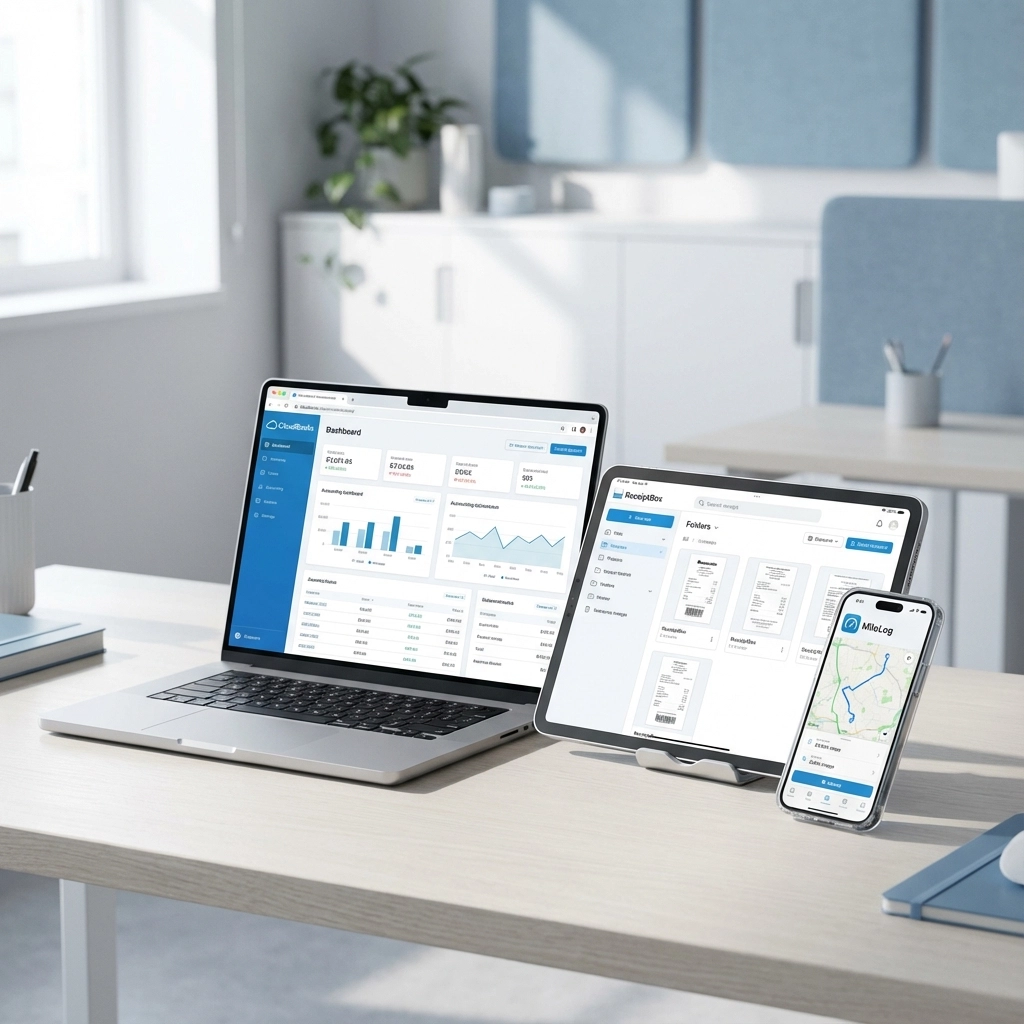
Technology Tools and Record-Keeping Systems
Modern self-employed taxpayers must leverage technology solutions to maintain compliance standards required in the automated enforcement environment. Digital tools provide accuracy, organization, and documentation capabilities essential for audit protection.
Cloud-Based Accounting Software creates automatic documentation trails for income and expenses while providing real-time financial reporting capabilities. These systems also generate reports that support tax return preparation and audit defense efforts.
Receipt Management Applications digitize and organize business expense documentation, eliminating paper-based record-keeping vulnerabilities. Digital receipt storage also provides searchable archives that support audit responses and compliance documentation.
Mileage Tracking Systems automatically document vehicle usage for business purposes, providing detailed logs that support transportation deductions. GPS-based tracking eliminates estimation issues that trigger automated audit flags.
Professional Support and Representation Services
The complexity of automated IRS enforcement makes professional tax support increasingly valuable for self-employed taxpayers. Expert assistance helps navigate compliance requirements while providing audit protection and representation services.
Tax professionals understand current IRS enforcement priorities and can identify potential compliance vulnerabilities before filing deadlines. Professional preparation also ensures proper reporting formats and calculation accuracy that minimize automated audit triggers.
When audit situations arise, professional representation provides expert communication with IRS personnel and technical knowledge necessary for successful resolution. Many compliance issues can be resolved efficiently through professional intervention without extensive taxpayer involvement.
TIG Tax Services specializes in supporting self-employed taxpayers through comprehensive preparation, planning, and representation services. The firm's expertise in current IRS enforcement practices helps clients maintain compliance while minimizing audit risks in the automated enforcement environment.
Moving Forward with Confidence
Self-employed taxpayers must adapt to the reality of increased IRS automation while maintaining focus on business success and growth. Proper compliance practices, documentation standards, and professional support create sustainable approaches to tax obligations that protect against enforcement actions while supporting business objectives.
The automated enforcement environment requires proactive planning and meticulous record-keeping, but these practices ultimately benefit taxpayers through improved financial management and reduced compliance stress. By understanding IRS enforcement priorities and implementing appropriate safeguards, self-employed individuals can navigate the current tax landscape successfully while focusing on their professional endeavors.
Taxpayers should consult with qualified tax professionals to assess their specific compliance situations and develop appropriate strategies for the automated enforcement environment. Professional guidance helps ensure accurate reporting while minimizing audit risks and maintaining business focus on growth and success objectives.