
The rise of remote work and entrepreneurship has created a popular misconception among self-employed individuals and freelancers: that working from a coffee shop automatically transforms beverage purchases into legitimate business deductions. This assumption has led countless taxpayers to claim expenses that do not meet IRS requirements, potentially triggering audits or disallowed deductions.
TIG Tax Services addresses this widespread confusion by clarifying the actual IRS standards for deductible business locations and related expenses. Understanding these distinctions protects taxpayers from compliance issues while ensuring they claim all legitimately deductible expenses.
The Coffee Shop Office Fallacy
The Internal Revenue Service maintains clear guidelines regarding what constitutes a deductible business expense. Working independently in a coffee shop while purchasing beverages does not qualify as a deductible business expense under current tax law. The IRS categorizes such purchases as "courtesy coffee": a personal expense indistinguishable from purchasing coffee for home consumption.
This classification stems from a fundamental principle: the expense must serve a specific business purpose beyond merely providing a location to work. A self-employed individual who chooses to work in a coffee shop rather than at home makes a personal choice about work environment. The coffee purchased during such solo work sessions represents personal consumption, not a necessary business expenditure.
Many taxpayers incorrectly assume that any expense incurred while conducting business automatically becomes deductible. This misunderstanding has been amplified by social media portrayals of entrepreneurial life that emphasize working from cafes as a business practice. However, the tax code requires a clear business purpose tied to specific activities involving clients, employees, or business travel.
Legitimate Deductible Scenarios
The IRS does recognize several circumstances where coffee and related expenses become legitimate business deductions. These situations share a common element: they involve conducting business with other individuals rather than simply choosing an alternative work location.
Client Meetings
Coffee purchased during client meetings qualifies as a business meal expense, currently deductible at 50 percent of the cost. This applies when the primary purpose of the meeting is conducting business: discussing projects, presenting proposals, or maintaining client relationships. The taxpayer must be present at the meeting, and the expense must not be lavish or extravagant relative to the circumstances.
Documentation requirements for these deductions include the date, location, business purpose, and individuals present. Credit card receipts alone do not satisfy IRS requirements; taxpayers should maintain contemporaneous records noting the specific business discussions that occurred.

Employee and Staff Meetings
Similar rules apply to coffee purchased during meetings with employees or contractors. These expenses are 50 percent deductible when they serve a clear business purpose: team planning sessions, performance reviews, or project coordination meetings. The distinction remains that the expense must facilitate business discussion with others, not merely provide refreshment during independent work.
Business Travel
Coffee purchased during legitimate business travel receives more favorable treatment. When traveling away from the taxpayer's tax home overnight for business purposes, coffee expenses fall under travel meal deductions, making them 50 percent deductible. This applies regardless of whether the taxpayer drinks the coffee alone, as the expense directly relates to necessary travel rather than personal preference about work location.
Office Coffee for Employees
Businesses that maintain traditional office spaces and provide coffee to employees can deduct these expenses at 50 percent of cost. This classification recognizes that providing refreshments to employees at their regular workplace serves a legitimate business purpose: maintaining staff morale and productivity.
Corporate Gifts
Coffee purchased as a corporate gift follows different rules entirely. Businesses can give up to $25 worth of gifts per person per year as a 100 percent deductible business expense. High-quality coffee or coffee shop gift cards given to clients during holidays or as appreciation fall under this category, provided they do not exceed the $25 threshold.
The Home Office Consideration
Taxpayers who maintain home offices often wonder whether coffee consumed while working from home becomes deductible. The answer depends entirely on how the home office is used.
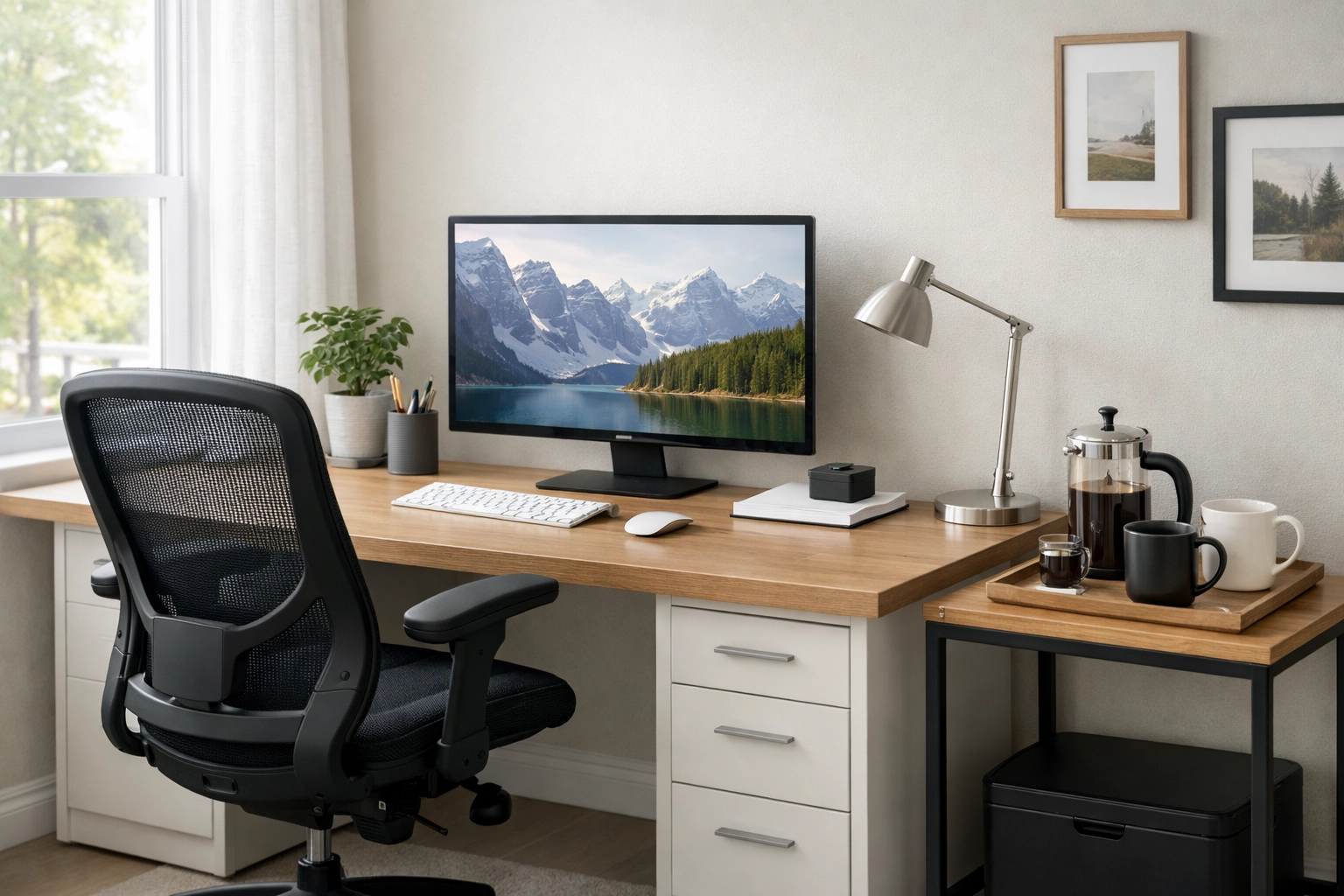
A home office used exclusively for independent work does not make coffee deductible, even if the taxpayer conducts business calls or virtual meetings from that location. The coffee serves the same personal purpose as any other home consumption.
However, if the home office functions as a regular meeting location for clients or employees, coffee kept available for those meetings becomes deductible. The critical factor is actual use: merely having a home office setup is insufficient. The taxpayer must genuinely meet with clients or staff in that location on a regular basis.
This distinction underscores the IRS's consistent principle: deductibility requires a demonstrable business purpose involving others, not simply the taxpayer's personal work habits or preferences.
Critical Changes for 2026
Taxpayers should note significant upcoming changes that will eliminate certain deductions entirely. Starting in 2026, the deduction for de minimis fringe benefits: including in-office snacks and coffee provided to employees: will be eliminated completely.
Currently, businesses can deduct 50 percent of the cost of coffee and snacks provided to employees in office break rooms or kitchen areas. This deduction, which has helped employers offset the costs of maintaining workplace amenities, will disappear entirely under current law.
This change affects employers who have factored these deductions into their benefit calculations. Business owners should consult with tax professionals to understand how this modification impacts their overall tax strategy and whether alternative approaches to employee benefits might prove more tax-efficient under the new rules.
Proper Documentation Requirements
Regardless of which legitimate business expense category applies, proper documentation remains essential. The IRS requires substantiation that includes:
- Date and location of the expense
- Amount spent
- Business purpose of the expense
- Business relationship of individuals present
Credit card statements and receipts provide proof of payment but do not satisfy the business purpose requirement. Taxpayers should maintain a log or calendar notation explaining the business context of each deductible expense.
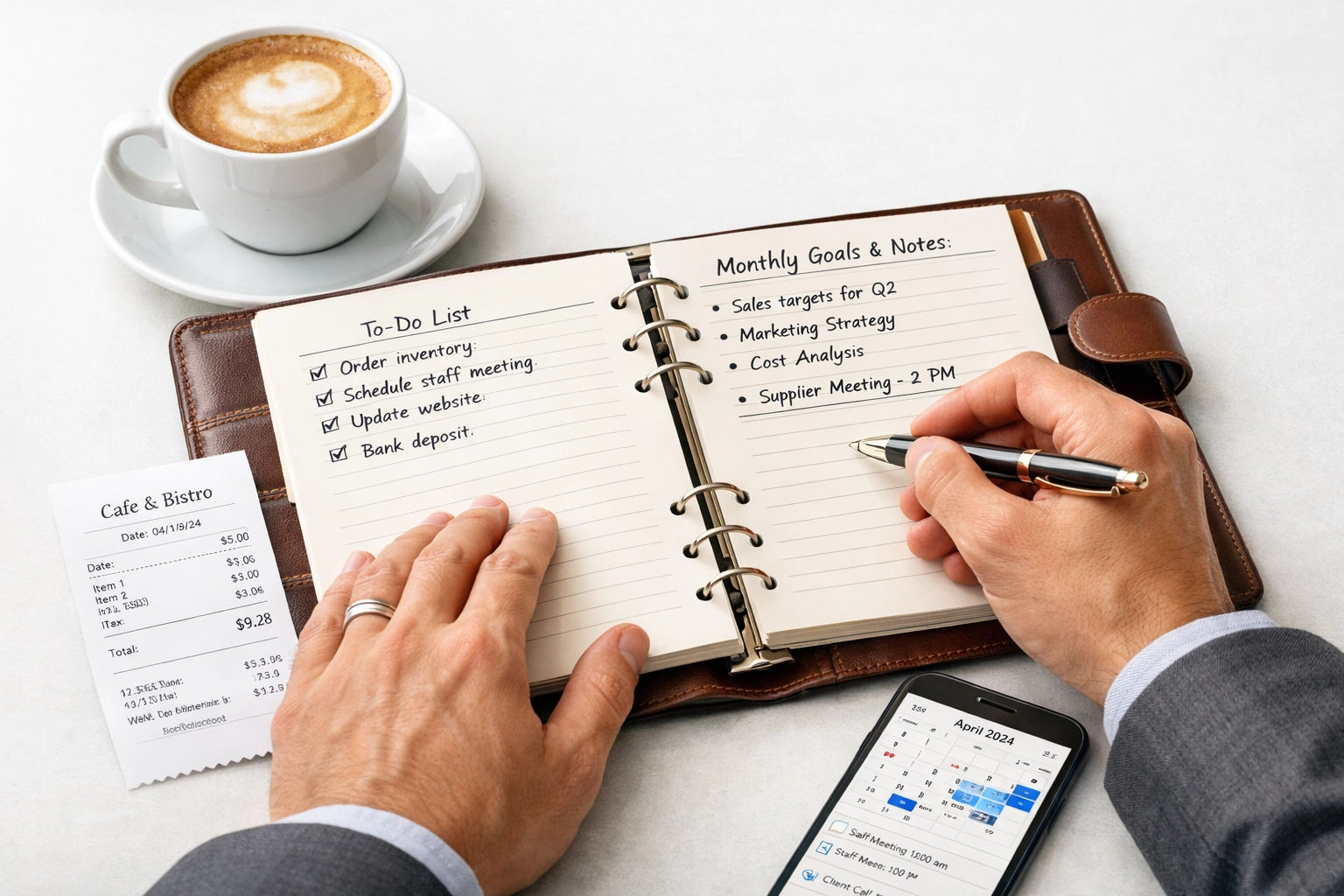
Digital expense tracking applications can streamline this process by allowing real-time notation of business purposes. Many platforms integrate with credit card accounts, prompting users to categorize and explain expenses as they occur.
Common Mistakes to Avoid
Several patterns of incorrect deduction attempts appear frequently during tax preparation:
Claiming all coffee shop visits as business expenses based solely on working while present. Without client or employee meetings, these expenses remain personal.
Deducting 100 percent of meal costs when only 50 percent applies. The temporary 100 percent deduction that applied in 2021 and 2022 has expired, returning to the standard 50 percent rate.
Failing to maintain adequate records of the business purpose. Retroactive reconstruction of business purposes often fails IRS scrutiny during audits.
Misclassifying regular commuting coffee as business travel. Coffee purchased during the commute to a regular workplace does not qualify as a travel expense.
Strategic Considerations for Business Owners
Understanding these distinctions allows business owners to structure their practices more tax-efficiently. Rather than attempting to deduct questionable coffee shop work sessions, entrepreneurs should focus on legitimate deductible activities:
Schedule regular client meetings at coffee shops when appropriate for the business relationship, ensuring both the business purpose and documentation requirements are met.
Maintain a proper home office that meets IRS requirements for the home office deduction, including exclusive business use of the space.
Track business travel carefully, distinguishing between commuting (non-deductible) and legitimate business travel (deductible).
Provide office amenities to employees while the deduction remains available through 2025, understanding that this benefit will sunset in 2026.
Professional Guidance Matters
The complexity of business deduction rules underscores the value of professional tax preparation. TIG Tax Services helps self-employed individuals and business owners navigate these distinctions, ensuring they claim all legitimate deductions while avoiding positions that could trigger audits or penalties.
Tax professionals can review specific business situations to identify deduction opportunities that taxpayers might overlook while preventing the claiming of expenses that do not meet IRS standards. This balanced approach maximizes tax benefits while maintaining compliance.

For taxpayers uncertain about whether specific expenses qualify as deductible, consultation with experienced tax preparers provides clarity and confidence. The modest cost of professional advice far outweighs the potential consequences of incorrectly claimed deductions.
Business owners and self-employed individuals should contact TIG Tax Services to discuss their specific situations and ensure their tax strategies align with current IRS requirements. Understanding what truly qualifies as a deductible business location: and what remains merely an appealing myth( forms the foundation of sound tax planning.)