

Tax-related identity theft occurs when criminals use stolen personal information: particularly Social Security numbers: to file fraudulent tax returns and claim refunds. The Internal Revenue Service reports that tax identity theft remains one of the most prevalent forms of fraud during filing season, affecting thousands of taxpayers annually.
When someone files a fraudulent return using another person's name and Social Security number, the legitimate taxpayer typically discovers the theft when attempting to file their own return. The IRS system rejects the filing because a return has already been processed under that Social Security number for the tax year. Understanding how to respond quickly and effectively can minimize delays in receiving a legitimate refund and protect future tax filings.
Recognizing the Warning Signs
Taxpayers should remain vigilant for several indicators that suggest tax identity theft has occurred. The most common warning sign is receiving an IRS notice stating that more than one tax return was filed under a Social Security number. Additional red flags include receiving a notice indicating that wages were reported from an employer for whom the taxpayer never worked, or receiving IRS transcripts or tax records that were not requested.

Individuals may also discover identity theft when the IRS notifies them of a balance due, refund offset, or collection action for a year in which no return was filed. In some cases, taxpayers receive notification that an online IRS account has been created in their name without their authorization.
The IRS Taxpayer Protection Program Response
The IRS maintains sophisticated fraud detection systems through its Taxpayer Protection Program, designed to identify suspicious returns before processing. When the system flags a potentially fraudulent return, the agency initiates verification procedures to confirm the legitimate taxpayer's identity.
Taxpayers selected for this verification process receive Letter 5071C, 4883C, or 6331C requesting confirmation of their identity and the tax return in question. These letters include specific instructions and a toll-free telephone number for the verification process. The IRS emphasizes that these are legitimate communications and taxpayers should respond promptly to avoid processing delays.
Immediate Steps for Confirmed Victims
Taxpayers who confirm they are victims of tax-related identity theft must take several immediate actions. The primary step involves completing and submitting IRS Form 14039, Identity Theft Affidavit. This form serves as the official notification to the IRS that fraudulent activity has occurred under the taxpayer's Social Security number.
Form 14039 can be submitted by mail to the IRS or faxed to 855-807-5720. When submitting the form, taxpayers should include a copy of their government-issued identification and any police report filed regarding the identity theft. The IRS assigns these cases to specialized identity theft case workers who manage the resolution process.

Individuals who have not yet filed their legitimate tax return should do so as soon as possible, even if the fraudulent return has already been accepted. The return should be filed on paper with Form 14039 attached. The IRS will not process a second electronic return under the same Social Security number once one has been filed for that tax year.
The Verification Process
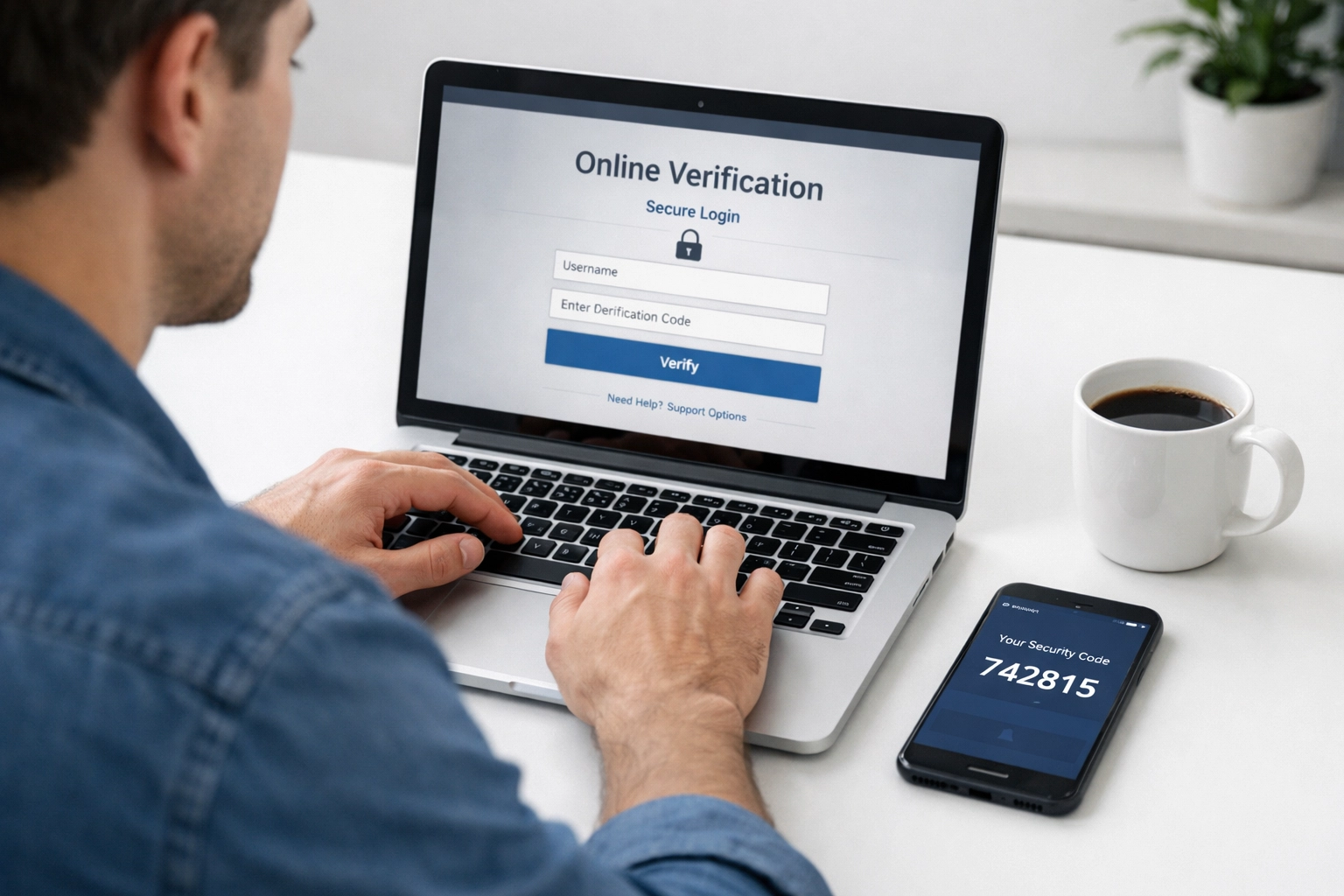
When taxpayers receive an IRS verification letter, they have several options for confirming their identity. The letters include instructions for using the IRS Identity Verification Service online tool, which provides the fastest resolution method. This digital verification requires taxpayers to have their prior-year tax return available for reference and answer specific questions about their tax history.
Alternatively, taxpayers can call the toll-free number provided in the IRS letter. Representatives are available to assist with telephone verification during standard business hours. Taxpayers should have the letter, prior tax returns, and any referenced Form 1040 series returns available during the call.
In situations where online or telephone verification cannot be completed, taxpayers must schedule an appointment at an IRS Taxpayer Assistance Center for in-person verification. This requires bringing the IRS letter, two forms of government-issued picture identification, and supporting tax documents.
What Happens After Verification
Once taxpayers verify their identity and confirm they did not file the fraudulent return, the IRS removes the fraudulent filing from the account. The agency then processes the legitimate tax return according to standard procedures. If the taxpayer is owed a refund, the IRS issues payment once the legitimate return is processed and all verification steps are completed.
The IRS places an identity theft indicator on verified victims' accounts, providing additional monitoring and protection for future tax years. This marker alerts IRS systems to apply enhanced scrutiny to returns filed under that Social Security number.
Processing times for identity theft cases vary based on complexity, but the IRS reports that most cases are resolved within 120 to 180 days from the date all required documentation is received. During this period, taxpayers may receive updates regarding their case status.
The Identity Protection PIN Program
All confirmed tax identity theft victims are automatically enrolled in the IRS Identity Protection PIN (IP PIN) program. This program issues a unique six-digit number to each participant annually. The IP PIN must be entered on all future federal tax returns: both paper and electronic: to authenticate the filing.
The IRS generates new IP PINs each January, and they remain valid through the end of that calendar year. Taxpayers retrieve their current IP PIN through their online IRS account or by using the Get an IP PIN tool on IRS.gov. The agency mails IP PINs by postal service to taxpayers who cannot access them online.
Returns filed without the correct IP PIN are rejected, preventing fraudsters from using stolen information to file future fraudulent returns under that Social Security number. The IP PIN serves as an additional layer of security that significantly reduces the risk of repeat identity theft.
Additional Protective Measures
Beyond IRS-specific actions, identity theft victims should implement comprehensive protection strategies. Contacting the three major credit bureaus: Equifax, Experian, and TransUnion: to place fraud alerts on credit reports prevents unauthorized credit accounts from being opened. Taxpayers should consider placing a credit freeze for more robust protection.
Filing a complaint with the Federal Trade Commission (FTC) through IdentityTheft.gov creates an official record and provides access to a personalized recovery plan. The FTC coordinates with various government agencies to address identity theft across multiple domains beyond taxation.

Taxpayers should also check with their state tax agency regarding state-level identity theft procedures. Many states have established their own verification and protection programs that operate independently of federal systems.
Preventing Future Tax Identity Theft
While no prevention method offers complete protection, taxpayers can reduce their vulnerability through proactive measures. Safeguarding Social Security numbers, filing returns early in the tax season, and using secure methods for transmitting tax documents all reduce exposure to potential theft.
Monitoring financial accounts regularly for unauthorized activity, shredding documents containing personal information before disposal, and using strong, unique passwords for online accounts contribute to overall identity protection. Taxpayers should remain cautious about sharing personal information and verify the legitimacy of any communication claiming to be from the IRS before responding.
The IRS will never initiate contact via email, text message, or social media to request personal or financial information. Legitimate IRS communications arrive by postal mail, and taxpayers should verify suspicious letters by calling the main IRS phone line at 800-829-1040 rather than using contact information provided in potentially fraudulent correspondence.
Working with Tax Professionals
Professional tax preparers can assist victims of tax identity theft in navigating the resolution process. Tax professionals understand IRS procedures, can communicate directly with the agency on behalf of clients through proper authorization, and ensure all required documentation is submitted correctly.
At TIG Tax Services, specialized knowledge of identity theft procedures ensures clients receive comprehensive support throughout the resolution process. Professional assistance becomes particularly valuable when dealing with complex situations involving multiple tax years or when communication with the IRS becomes challenging.
Tax identity theft requires immediate attention and systematic response. By understanding the available resources and following established procedures, taxpayers can resolve these situations and protect their tax accounts from future fraud. Swift action, thorough documentation, and ongoing vigilance provide the best defense against this increasingly common threat.