
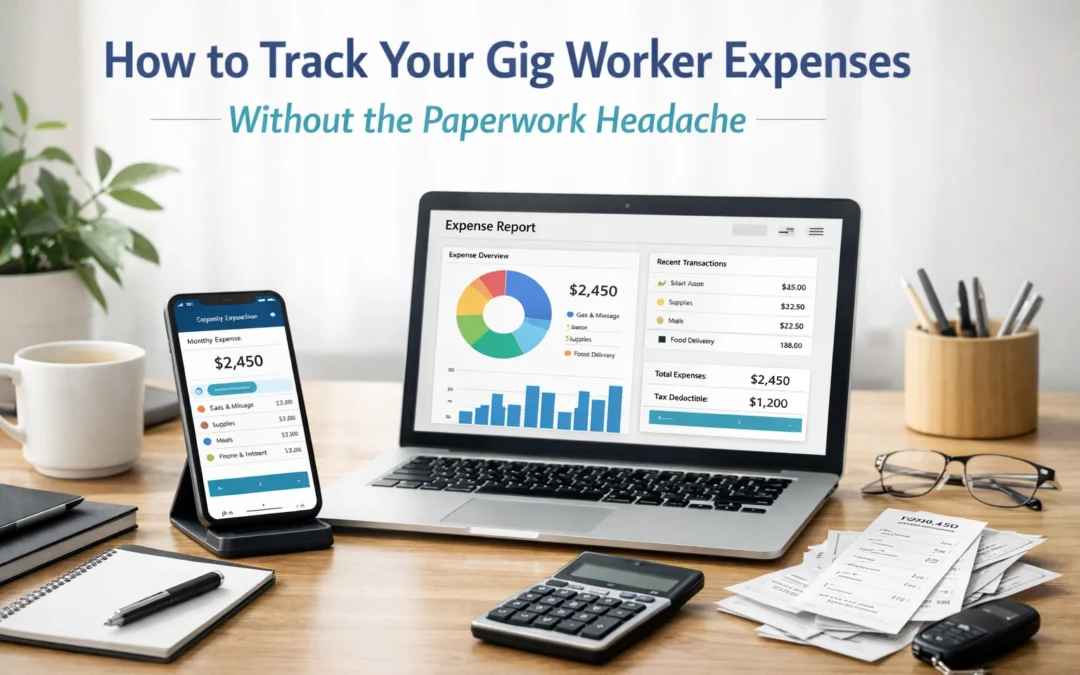
The rise of the gig economy has fundamentally shifted the landscape of the American workforce. As of 2026, millions of individuals operate as independent contractors, freelancers, and platform-based service providers. While the flexibility of gig work is advantageous, it introduces complex administrative responsibilities, particularly regarding tax compliance and expense tracking. For many taxpayers, the primary obstacle to maximizing their financial return is the "paperwork headache": the disorganized accumulation of physical receipts, logs, and bank statements.
TIG Tax Services emphasizes that rigorous recordkeeping is the foundation of tax efficiency. Without a systematic approach to tracking business expenses, individuals risk overpaying on self-employment taxes or facing complications during Internal Revenue Service (IRS) audits. This guide outlines institutional best practices for digitizing, automating, and maintaining financial records to ensure compliance and minimize tax liability.

The Regulatory Environment for Gig Workers
Independent contractors are classified by the IRS as small business owners. Consequently, they are required to report all income and are entitled to deduct "ordinary and necessary" expenses related to their trade or business. These figures are typically reported on Schedule C (Form 1040), Profit or Loss From Business.
The burden of proof rests entirely on the taxpayer. In the event of an inquiry, the IRS requires contemporaneous records: documentation created at the time the expense was incurred. Failure to produce such evidence can lead to the disallowance of deductions, resulting in back taxes, interest, and penalties.
"Maintaining precise records is not merely a recommendation; it is a fundamental requirement for the fiscal health of any independent enterprise," states Richard Terry, President/CEO of TIG Tax Services. "The transition from physical to digital tracking is the most effective way for gig workers to protect their earnings and remain compliant with evolving IRS standards."
Taxpayers should be aware that the IRS continues to modernize its systems. According to an IRS announcement regarding the 2025 filing season, the agency is expanding digital tools and filing options, making it even more critical for gig workers to align their personal recordkeeping with these digital-first initiatives.
Technological Solutions for Automated Expense Tracking
The most significant advancement in reducing administrative burden is the implementation of dedicated expense-management software. These applications are designed to eliminate manual data entry and provide a centralized repository for financial information.
1. Dedicated Expense-Tracking Applications
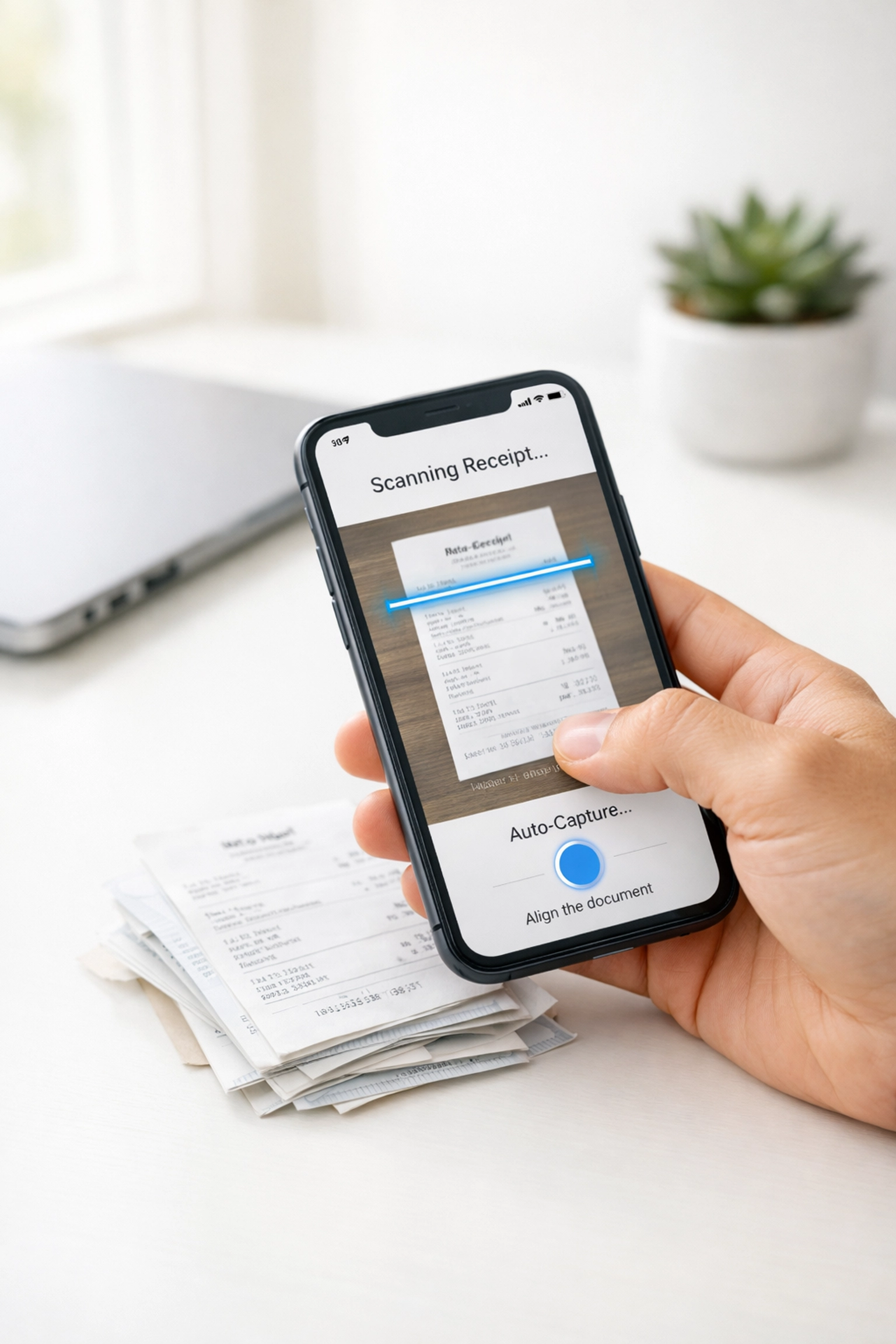
Specialized platforms such as Expensify provide a streamlined approach to expense management. Individuals can utilize smartphone cameras to upload images of receipts directly into the application. The software utilizes optical character recognition (OCR) technology to extract relevant data, such as the vendor name, date, and amount. Expenses can then be categorized into specific tax-deductible groups, such as equipment, supplies, or business meals.
2. Integrated Platform Monitoring
For those operating across multiple platforms: such as Uber, DoorDash, or TaskRabbit: applications like Gridwise offer specialized utility. These tools monitor earnings across various apps while simultaneously tracking associated expenses and mileage. By consolidating data from multiple sources, taxpayers gain a comprehensive view of their actual net profit.
3. Financial Spending Accounts
Services like Moves provide a dedicated spending account specifically for gig workers. By separating business transactions from personal spending at the point of purchase, the need for retrospective reconciliation is significantly reduced. This separation is a critical standard recommended by TIG Tax Services to avoid the "commingling" of funds, which often complicates tax preparation.
Digital Receipt Management and Documentation
The physical preservation of thermal paper receipts is an outdated and unreliable practice. These documents are prone to fading, loss, and damage. To establish a robust audit trail, taxpayers must adopt a digital-first documentation strategy.
- Immediate Capture: Individuals should photograph and categorize every business-related receipt immediately upon purchase.
- Cloud Storage Integration: Digital records should be synced to secure cloud storage services. This ensures that documentation remains accessible even if a hardware device is lost or damaged.
- Categorization Standards: Expenses should be categorized according to the categories listed on Schedule C. This includes advertising, car and truck expenses, legal and professional services, and office expenses.
By maintaining a digital archive, taxpayers can easily export reports to their tax professionals. This preparation is essential for the Modernized e-File (MeF) business returns process, allowing for faster processing and more accurate submissions.
Managing Transportation and Mileage Deductions
For many gig workers, transportation represents the single largest deductible expense. However, it is also one of the most scrutinized areas during IRS examinations. Taxpayers have two primary methods for claiming vehicle expenses: the Standard Mileage Rate or Actual Expenses.
The Standard Mileage Rate
This method allows taxpayers to deduct a set amount for every business mile driven. This rate covers gas, insurance, repairs, and depreciation. To utilize this method, a detailed mileage log is mandatory. This log must include the date, the destination, the business purpose, and the number of miles driven.
The Actual Expense Method
This approach involves tracking all costs associated with the vehicle, including fuel, oil changes, tires, insurance, and lease payments. The taxpayer then deducts the percentage of these costs that corresponds to the business use of the vehicle.
TIG Tax Services advises the use of automated mileage tracking apps that utilize GPS to record trips in real-time. This eliminates the "headache" of manual logbooks and ensures that no deductible miles are overlooked.

Quarterly Financial Maintenance and IRS Compliance
Gig workers are generally required to make Estimated Tax Payments if they expect to owe $1,000 or more when their return is filed. These payments are due four times a year. Failure to make these payments can result in underpayment penalties.
Taxpayers must reconcile their records quarterly to determine their liability. This involves printing income reports from payment processors and comparing them against tracked expenses. As noted in the IRS reminder for final quarterly payments, staying ahead of these deadlines is vital for avoiding unnecessary costs.
Furthermore, individuals must remain vigilant against potential fraud. The Coalition Against Scam and Scheme Threats has noted that gig workers are often targeted by sophisticated tax schemes. Maintaining organized, legitimate records is the best defense against fraudulent claims made in a taxpayer's name.
Enhancing Accuracy with Professional Tax Services
While technology simplifies the tracking of expenses, the interpretation of tax law remains a complex endeavor. TIG Tax Services provides expert oversight to ensure that every deduction is legally sound and fully documented.
For added security, TIG Tax Services offers ProtectionPlus. This service provides audit assistance and taxpayer protection, offering peace of mind to those in the gig economy who may face higher rates of IRS inquiry due to the nature of their self-employment.

Summary of Best Practices for Gig Workers:
- Select a Tracking Tool: Implement an app like Expensify or Gridwise to automate data capture.
- Separate Finances: Open a dedicated bank account for all business-related income and expenses.
- Digitize Everything: Cease the storage of physical receipts and move to a cloud-based digital archive.
- Log Mileage Contemporaneously: Use GPS-based tracking to maintain an accurate mileage record.
- Review Monthly: Spend 30 minutes each month reviewing categorizations to ensure accuracy before the 2025 filing season or subsequent years.
The transition from a "paperwork headache" to a streamlined digital workflow allows gig workers to focus on their primary professional activities while ensuring they are prepared for tax season. For comprehensive support and professional preparation of your business returns, individuals should consult with the experts at TIG Tax Services. Proper preparation today prevents the administrative crises of tomorrow.