

The landscape of green energy tax credits has undergone dramatic changes entering 2026, with significant shifts affecting both residential and commercial taxpayers. While the term "expanded" might suggest broader benefits, the reality presents a more complex picture that requires careful navigation by taxpayers and tax professionals alike.
Major Residential Credits Have Expired
The most significant development affecting individual taxpayers is the termination of key residential energy tax credits at the end of 2025. The legislation known as the "One Big Beautiful Bill" enacted comprehensive changes that eliminated several popular homeowner incentives effective December 31, 2025.
Energy Efficient Home Improvement Credit (Section 25C) Terminated
The Energy Efficient Home Improvement Credit, previously available under Section 25C of the Internal Revenue Code, is no longer available for property placed in service after December 31, 2025. This elimination affects taxpayers who previously claimed credits for:
- Insulation improvements in homes
- Energy-efficient windows and doors
- Heat pump installations
- Other qualifying energy-efficient home improvements
Taxpayers who made qualifying expenditures before the December 31, 2025 deadline can still claim these credits on their 2025 tax returns, but no future installations will qualify for this incentive.

Residential Clean Energy Credit (Section 25D) Ends
The Residential Clean Energy Credit under Section 25D has also been terminated for expenditures made after December 31, 2025. This significant change affects homeowners who were considering:
- Rooftop solar panel installations
- Residential battery storage systems
- Other qualifying clean energy equipment
The previous credit provided a substantial 30% credit for qualifying expenditures, making solar installations and energy storage systems significantly more affordable for residential taxpayers. The elimination of this credit represents a major shift in federal policy regarding residential renewable energy adoption.
Understanding the Impact on Homeowners
These terminated programs previously offered homeowners up to $3,200 annually in tax credits for energy-efficient improvements. The loss of these incentives represents a significant change in the federal government's approach to encouraging residential energy efficiency and clean energy adoption.
Taxpayers who installed qualifying equipment or made eligible improvements before the December 31, 2025 deadline should ensure they properly document and claim these credits on their tax returns. TIG Tax Services recommends maintaining detailed records of all qualifying expenditures and installations to support credit claims.
Commercial and Utility-Scale Programs Show Expansion
While residential credits have been eliminated, the commercial and utility-scale clean energy sector has seen targeted expansions in 2026, particularly through enhanced incentive programs designed to serve underserved communities.
Clean Electricity Low-Income Communities Bonus Credit Expansion
The most significant expansion in 2026 involves the Clean Electricity Low-Income Communities Bonus Credit under Section 48E(h). This program represents a substantial enhancement of existing commercial clean energy incentives with several key improvements:
Eligible Technologies Expanded Beyond Traditional Options
The program has broadened its scope to include technologies beyond the traditional solar and wind installations:
- Hydropower facilities
- Geothermal energy systems
- Marine and hydrokinetic projects
- Nuclear facilities
- Traditional solar and wind installations
Enhanced Credit Structure
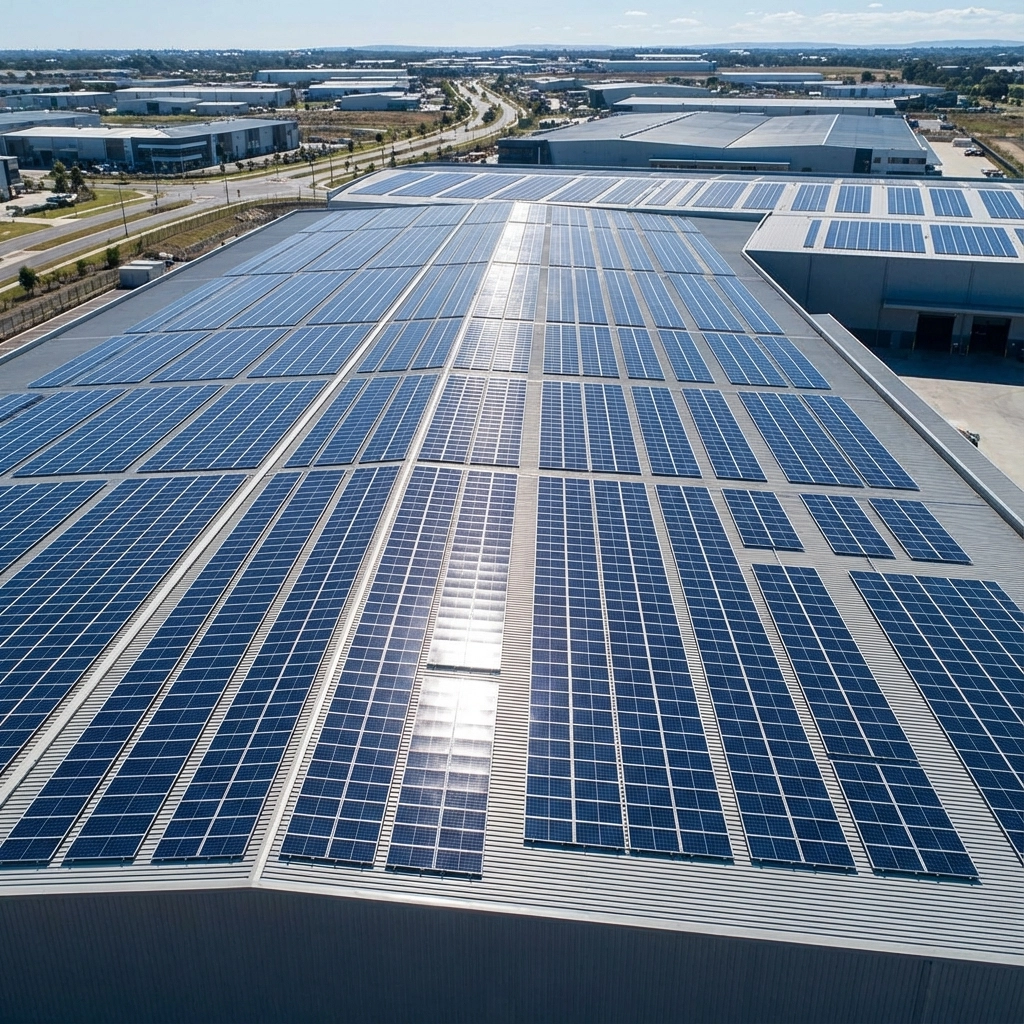
The bonus credit provides a 10-20 percentage point boost on top of the base 30% investment tax credit, making qualifying projects significantly more attractive from a financial perspective. This enhancement can result in total credit percentages ranging from 40% to 50% for qualifying installations.
Substantial Annual Allocation
The program allocates 1.8 gigawatts annually to projects serving low-income communities, representing a significant commitment to expanding clean energy access in underserved areas.
Structured Application Process for 2026
Taxpayers and businesses interested in participating in this program should note the specific application timeline:
- Application period opens: First Monday of February at 9:00 AM ET
- Application period closes: First Friday of August
- Applications must demonstrate service to qualifying low-income communities
Wind and Solar Project Credit Reductions
Commercial wind and solar projects face a different reality in 2026, with credits being systematically phased down according to construction timelines:
Construction Timeline Impact on Credits
Projects Beginning Construction by End of 2025
- Receive 100% of available credits
- Must demonstrate commencement of construction before December 31, 2025
Projects Starting Construction in 2026
- Receive only 60% of available credits
- Represents a 40% reduction from full credit amounts
Future Project Timeline
- Projects starting in 2027 will receive only 20% of available credits
- Represents the continued phase-down of these incentive programs

Strategic Considerations for Different Taxpayer Categories
Individual Taxpayers
Individual taxpayers should focus on understanding the implications of expired residential credits and exploring alternative strategies for energy efficiency investments. While federal tax credits are no longer available, taxpayers should investigate:
- State and local incentive programs that may still offer benefits
- Utility rebate programs for energy-efficient improvements
- Long-term energy savings from efficiency improvements regardless of tax incentives
Commercial and Industrial Taxpayers
Commercial taxpayers have more complex considerations in 2026, requiring careful analysis of project timing and eligibility requirements:
Timing Considerations
- Projects must carefully evaluate construction start dates to maximize available credits
- The phase-down schedule makes early project initiation financially advantageous
Low-Income Community Benefits
- Projects serving low-income communities can access significantly enhanced credit percentages
- Geographic and demographic requirements must be carefully evaluated for qualification
Tax Preparation Implications
Tax professionals must navigate these changes carefully when preparing returns for clients with energy-related investments:
Documentation Requirements
- Enhanced documentation standards for commercial projects claiming expanded credits
- Careful verification of construction timelines for wind and solar projects
- Proper allocation of credits across project phases and ownership structures
Client Education Needs
- Clients require clear communication about expired residential programs
- Commercial clients need guidance on maximizing available credits under new structures

Planning Strategies for 2026 and Beyond
For Residential Taxpayers
Residential taxpayers should focus on alternative approaches to energy efficiency and clean energy adoption:
Alternative Financing Options
- Power purchase agreements for solar installations
- Equipment leasing programs that may offer economic benefits
- Energy service company (ESCO) arrangements for efficiency improvements
State and Local Programs
- Research available state tax credits and rebate programs
- Investigate local utility incentive offerings
- Consider municipal financing programs for energy improvements
For Commercial Taxpayers
Commercial entities should develop comprehensive strategies to navigate the changing credit landscape:
Project Timing Optimization
- Accelerate project timelines where possible to capture higher credit percentages
- Coordinate construction schedules with credit availability windows
Low-Income Community Focus
- Evaluate opportunities to serve qualifying low-income communities
- Understand application processes and requirements for bonus credit programs
Professional Tax Guidance Requirements
The complexity of these changes necessitates professional tax guidance for most taxpayers with significant energy-related investments. TIG Tax Services recommends that taxpayers consult with qualified tax professionals to:
- Evaluate eligibility for remaining credit programs
- Optimize project structures to maximize available benefits
- Ensure compliance with documentation and reporting requirements
- Plan future investments in light of changing incentive structures
Conclusion and Next Steps
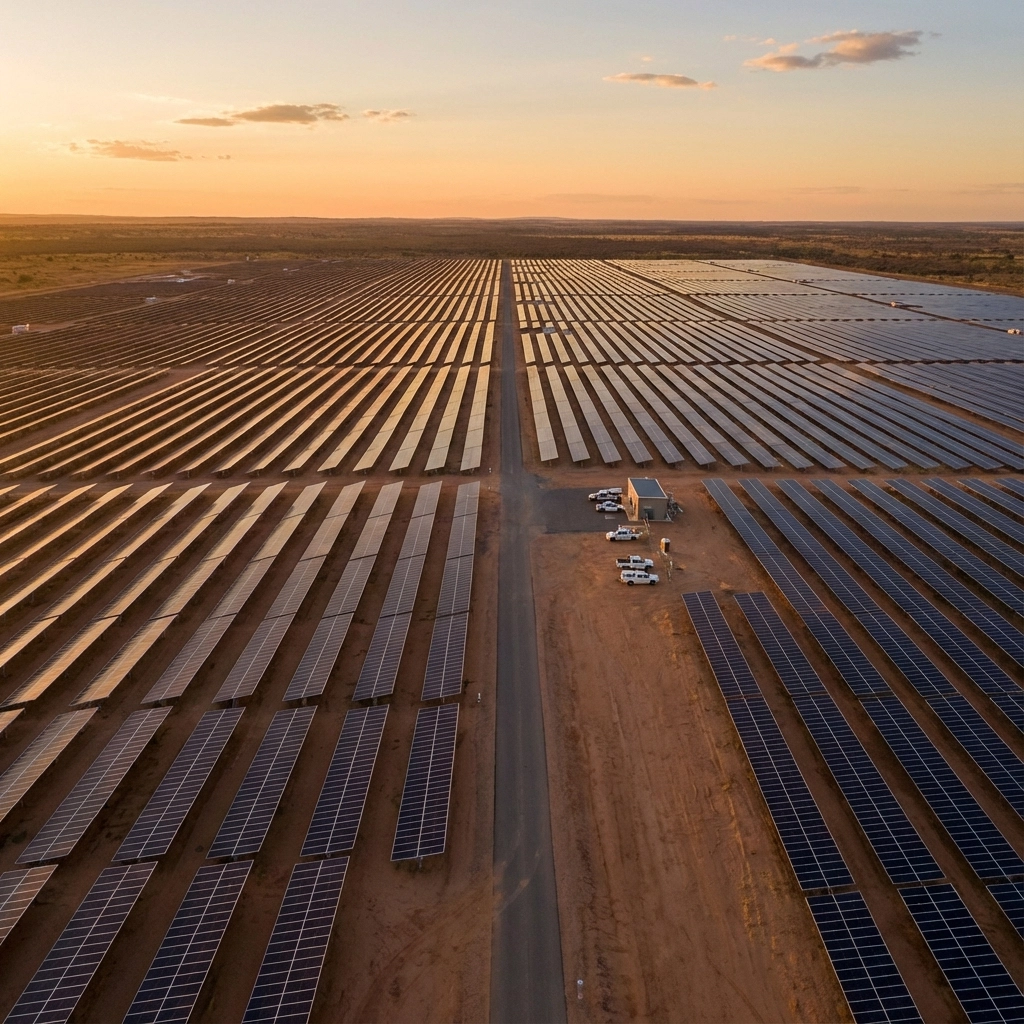
The energy credit landscape in 2026 presents both challenges and opportunities for taxpayers across all categories. While residential taxpayers face the loss of previously available incentives, commercial and utility-scale projects have access to enhanced programs, particularly those serving low-income communities.
Taxpayers considering energy-related investments should work closely with tax professionals to understand the implications of these changes and develop strategies that align with current incentive structures. The complexity of these programs and their evolving nature requires ongoing attention and professional guidance to ensure optimal outcomes.
For comprehensive guidance on navigating these changes and maximizing available benefits, taxpayers should consult with qualified tax professionals who understand the intricacies of current energy credit programs and can provide guidance tailored to individual circumstances and investment objectives.
Visit TIG Tax Services for professional assistance in understanding and claiming available energy credits under the current tax code.