

Small business owners who purchase equipment, vehicles, or machinery face an important tax decision: how to deduct those costs. The Internal Revenue Service provides two powerful methods, Section 179 and Bonus Depreciation, that allow businesses to accelerate deductions rather than spreading them across multiple years. Understanding the differences between these provisions can result in significant tax savings and improved cash flow for small businesses.
This guide explains how each method works, outlines the key differences, and provides guidance on when to use one, the other, or both together.
Understanding Traditional Depreciation
Before examining Section 179 and Bonus Depreciation, business owners should understand the baseline: traditional depreciation. Under standard depreciation rules, businesses spread the cost of equipment and assets over their useful life. A piece of machinery with a seven-year recovery period, for example, would be deducted incrementally over seven years using IRS depreciation schedules.
While this approach is straightforward, it delays tax benefits and ties up capital that could otherwise support business operations. Section 179 and Bonus Depreciation exist specifically to address this limitation by allowing immediate or accelerated deductions.
What Is Section 179?
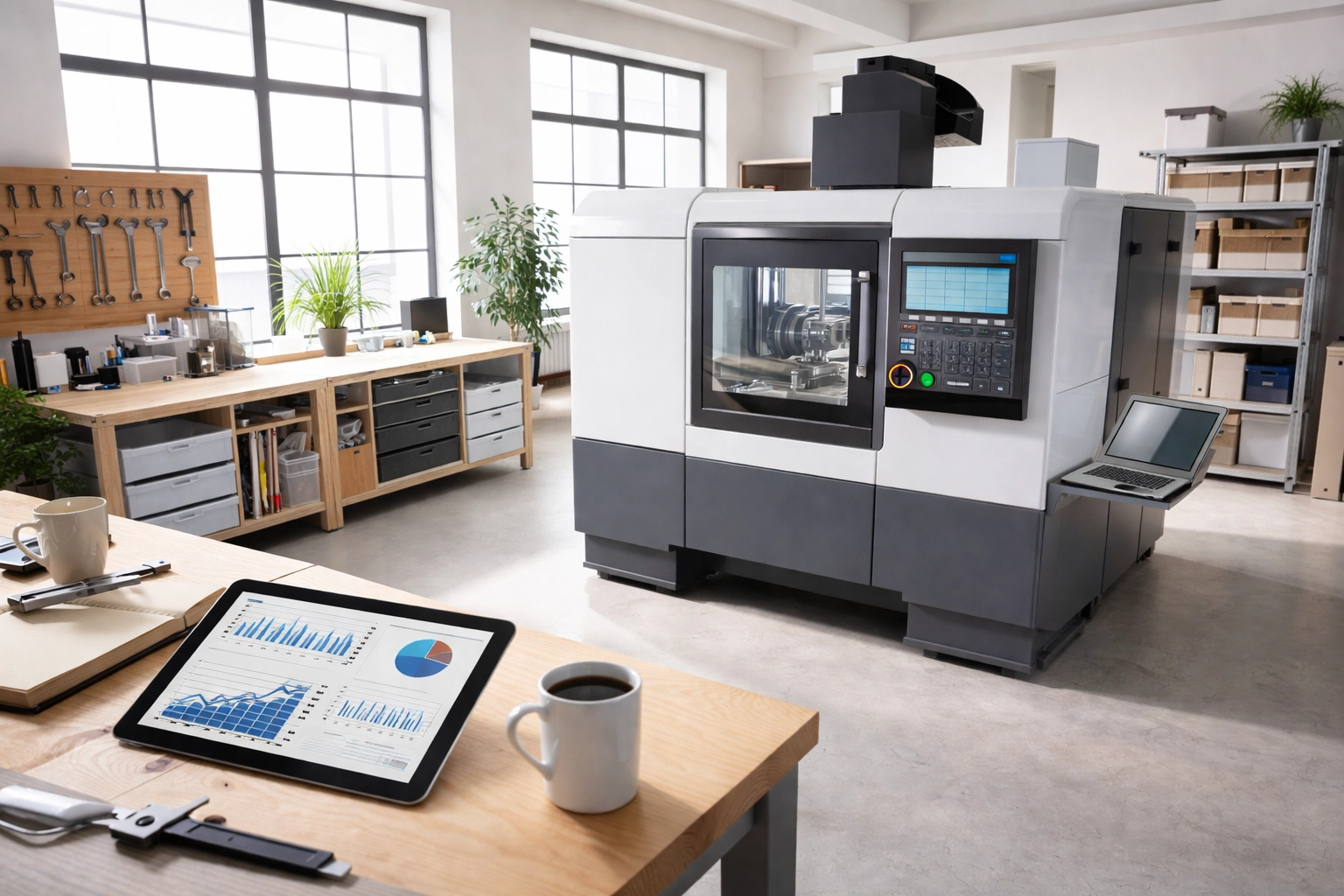
Section 179 of the Internal Revenue Code allows businesses to deduct the full purchase price of qualifying equipment and software in the year the property is placed in service. Rather than depreciating assets over several years, business owners can claim the entire cost as an immediate expense.
2025 Section 179 Limits
For tax year 2025, the Section 179 deduction limits are as follows:
- Maximum Deduction: $2.5 million
- Spending Cap: $4 million
The spending cap functions as a phase-out threshold. When total equipment purchases exceed $4 million, the Section 179 deduction decreases dollar-for-dollar. This design targets the benefit toward small and mid-sized businesses rather than large corporations.
Key Section 179 Characteristics
Business owners should note several important characteristics of Section 179:
- Taxable Income Limitation: The Section 179 deduction cannot exceed the business's taxable income. This provision prevents Section 179 from creating or increasing a net operating loss.
- Carryforward Provision: If the deduction exceeds taxable income, unused amounts can be carried forward to future tax years.
- Broad Qualifying Property: Section 179 applies to tangible personal property, certain software, and specific real estate improvements including roofing, HVAC systems, fire protection, and security systems.
What Is Bonus Depreciation?
Bonus Depreciation provides an alternative method for accelerating equipment deductions. This provision allows businesses to deduct a percentage of qualifying property costs in the first year, with the remaining basis depreciated over subsequent years using standard methods.
2025 Bonus Depreciation Rates
Following recent legislative changes, 100% Bonus Depreciation has been restored for qualifying property placed in service in 2025. This means businesses can deduct the entire cost of eligible assets in the year of purchase.

Key Bonus Depreciation Characteristics
Bonus Depreciation differs from Section 179 in several important ways:
- No Dollar Limit: Unlike Section 179's $2.5 million cap, Bonus Depreciation has no maximum deduction amount. Businesses purchasing equipment worth $10 million, $50 million, or more can deduct the full cost.
- No Taxable Income Requirement: Bonus Depreciation can create or increase a net operating loss. This makes it particularly valuable for startups and businesses experiencing temporary losses.
- Property Restrictions: Bonus Depreciation applies only to tangible property with a recovery period of 20 years or less. Real estate improvements generally do not qualify.
Key Differences Between Section 179 and Bonus Depreciation
The following comparison highlights the most significant distinctions between these two depreciation methods:
| Feature | Section 179 | Bonus Depreciation |
|---|---|---|
| Maximum Deduction | $2.5 million (2025) | No limit |
| Spending Cap | $4 million phase-out | None |
| Income Limitation | Cannot exceed taxable income | Can create net operating loss |
| Real Estate Improvements | Eligible | Generally not eligible |
| Recovery Period Requirement | None specified | 20 years or less |
| Carryforward | Yes, for excess amounts | No (creates NOL instead) |
Deduction Limits Comparison
The deduction limits represent the most practical difference for many small businesses. Section 179 provides certainty with its defined $2.5 million maximum, making it straightforward for businesses to calculate potential tax savings. Bonus Depreciation offers unlimited deduction potential, which benefits businesses with substantial capital expenditures exceeding the Section 179 thresholds.
Business Income Requirements
The income limitation creates different planning considerations:
- Section 179 requires sufficient taxable income to absorb the deduction. A business with $500,000 in equipment purchases but only $300,000 in taxable income can only claim $300,000 under Section 179, with the remaining $200,000 carried forward.
- Bonus Depreciation imposes no such restriction. The same business could claim the full $500,000 under Bonus Depreciation, creating a $200,000 net operating loss that may be carried forward to offset future income.

Qualifying Property Differences
The types of property eligible under each method differ meaningfully:
Section 179 Qualifying Property includes:
- Machinery and equipment
- Computers and software
- Office furniture
- Certain vehicles (subject to limitations)
- Qualified improvement property (roofing, HVAC, fire protection, security systems)
Bonus Depreciation Qualifying Property includes:
- Tangible personal property with a 20-year or shorter recovery period
- Qualified film, television, and live theatrical productions
- Certain plants bearing fruits or nuts
Real estate improvements represent a significant distinction. Business owners planning building upgrades should note that Section 179 covers qualified improvement property while Bonus Depreciation generally does not extend to these expenditures.
Strategic Considerations: When to Use Each Method
Tax professionals recommend different approaches based on specific business circumstances.
When Section 179 Is Preferable
Business owners should consider Section 179 when:
- Real estate improvements are involved. Roof replacements, HVAC installations, and similar building improvements qualify under Section 179 but not Bonus Depreciation.
- Taxable income is sufficient. Businesses with strong profits can fully utilize Section 179 without limitation concerns.
- Precise deduction control is desired. Section 179 allows businesses to elect specific deduction amounts, providing flexibility in tax planning across multiple years.
When Bonus Depreciation Is Preferable
Bonus Depreciation becomes the better choice when:
- Equipment purchases exceed Section 179 limits. Businesses investing more than $2.5 million in qualifying equipment can deduct unlimited amounts under Bonus Depreciation.
- The business has a net loss or minimal income. Early-stage companies and businesses experiencing temporary downturns can still claim full deductions.
- Assets have short recovery periods. Equipment with recovery periods of 20 years or less qualifies automatically.
Combining Section 179 and Bonus Depreciation
The IRS permits businesses to use both methods together, creating opportunities for maximum tax savings. The optimal approach typically follows this sequence:
- Claim Section 179 first on qualifying property up to the deduction limit or taxable income threshold
- Apply Bonus Depreciation to remaining equipment costs not covered by Section 179
- Use standard depreciation for any residual basis
This combination strategy proves particularly effective for businesses with large equipment purchases and strong taxable income.
Example Application
Consider a small manufacturing business that purchases $3 million in equipment during 2025 with taxable income of $2.8 million:
- Section 179: Claim $2.5 million (maximum limit)
- Bonus Depreciation: Claim remaining $500,000 at 100%
- Total First-Year Deduction: $3 million
Without these provisions, the business would depreciate the equipment over multiple years, delaying significant tax benefits.
Documentation and Compliance Requirements
Businesses claiming Section 179 or Bonus Depreciation must maintain proper documentation:
- Purchase records including invoices, contracts, and proof of payment
- Placed-in-service dates documenting when equipment became operational
- Business use percentages for assets with mixed personal and business use
- Election statements filed with annual tax returns
The Section 179 election is made by completing Part I of IRS Form 4562 (Depreciation and Amortization) and attaching it to the business tax return.
Professional Guidance Recommended
Given the complexity of depreciation rules and their interaction with other tax provisions, business owners should consult qualified tax professionals before making significant equipment purchases. Proper planning ensures maximum tax benefits while maintaining full compliance with IRS requirements.
TIG Tax Services provides comprehensive tax preparation and planning services for small business owners navigating equipment depreciation decisions. For assistance with Section 179, Bonus Depreciation, or other business tax matters, visit tigtaxservices.com to schedule a consultation.